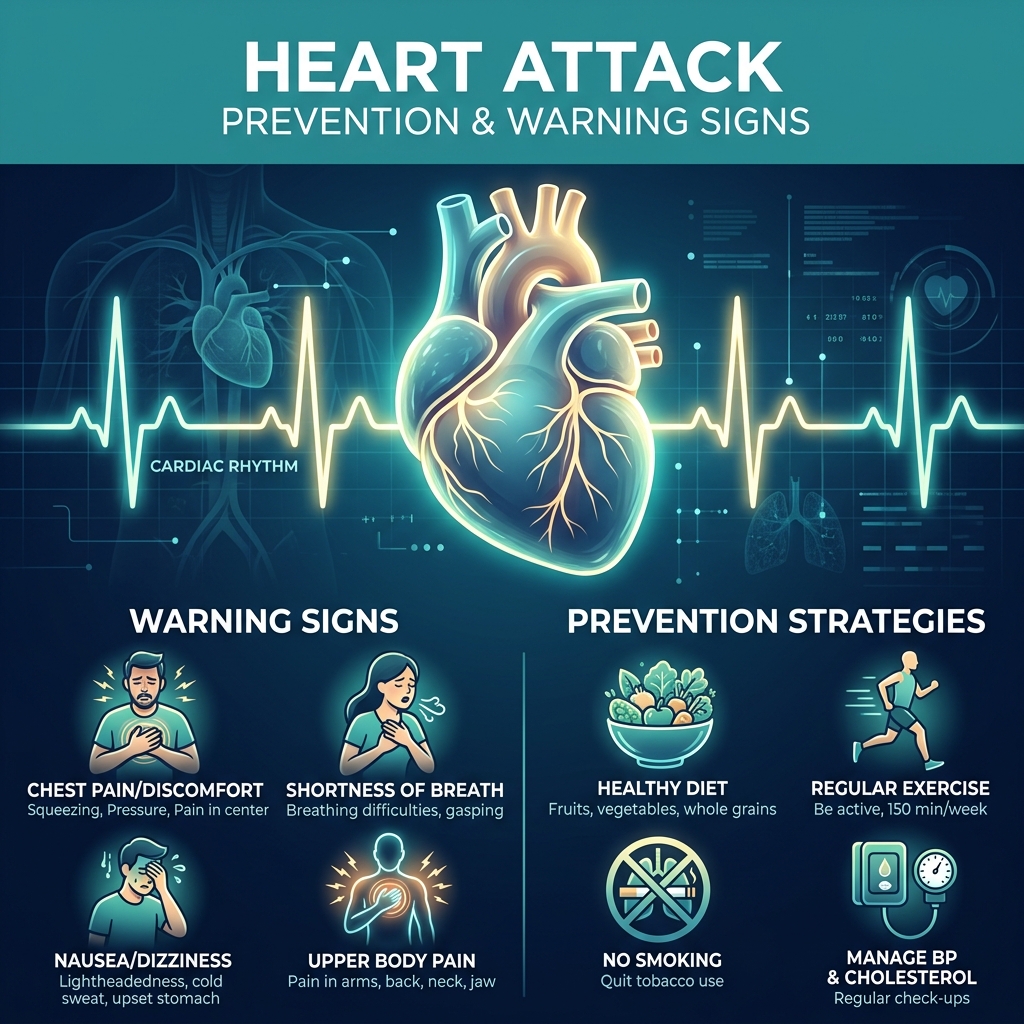
A heart attack (myocardial infarction) occurs when blood flow to a section of the heart muscle becomes severely blocked or entirely cut off. Recognizing symptoms early and taking swift action can save lives and prevent long-term cardiac damage.
What Happens During a Heart Attack?
Coronary arteries supply oxygen-rich blood to your heart muscle. Over time, fatty deposits, cholesterol, and calcium form plaque inside these arteries. If a plaque ruptures, a blood clot quickly forms, blocking the artery. Without immediate treatment to restore blood flow, the deprived heart muscle begins to suffer irreversible injury.
Emergency Warning: Time is Muscle!
If you or someone near you experiences sudden crushing chest pain, shortness of breath, or unexplained sweating, call emergency services immediately (+91-9949231657) or go to the nearest emergency room with a cath lab facility like CARE Hospitals, Malakpet.
Key Warning Signs You Must Never Ignore
While some heart attacks strike suddenly, many people experience subtle warning signs hours, days, or even weeks in advance. Symptoms can vary significantly between men and women.
Chest Pain / Discomfort
A feeling of pressure, squeezing, fullness, or pain in the center of the chest lasting more than a few minutes.
Shortness of Breath
Difficulty breathing with or without chest discomfort, often during light activity or while resting.
Upper Body Radiation
Pain, aching, or numbness radiating to one or both arms, the back, neck, jaw, or stomach.
Cold Sweats & Dizziness
Breaking out in a unexplained cold sweat, feeling lightheaded, unusually fatigued, or nauseous.
Unmodifiable vs. Modifiable Risk Factors
Understanding your risk profile helps tailor an effective cardiac protection strategy:
- Modifiable Factors (In Your Control): High blood pressure, elevated LDL cholesterol, diabetes management, smoking/tobacco use, sedentary lifestyle, obesity, and chronic stress.
- Unmodifiable Factors: Family history of early heart disease, age, and biological sex.
Doctor’s Advice from Dr. Beeku Naik DS
"In my clinical experience performing thousands of interventional cardiac procedures at CARE Hospitals, early screening for individuals over 30—especially those with a family history or diabetes—dramatically reduces the risk of acute cardiac events."
5 Pillar Preventive Strategy for a Healthy Heart
- Adopt a Heart-Healthy Mediterranean/DASH Diet: Focus on whole grains, fresh vegetables, fruits, nuts, and healthy fats (olive oil, fish). Minimize trans fats, ultra-processed foods, and high sodium intake.
- Engage in Regular Aerobic Exercise: Aim for at least 150 minutes of moderate aerobic activity (brisk walking, cycling, swimming) each week.
- Quit Smoking & Avoid Secondhand Smoke: Chemicals in tobacco damage blood vessel walls and accelerate arterial plaque formation. Smoking cessation yields immediate cardiovascular benefits.
- Monitor & Control Blood Pressure and Sugar: Maintain blood pressure below 120/80 mmHg and check blood sugar and lipid profiles annually.
- Schedule Regular Cardiovascular Checkups: Consult your cardiologist for preventive ECG, 2D Echo, or TMT stress evaluations.

Concerned About Your Heart Health?
Don't wait for symptoms to escalate. Book a comprehensive cardiac screening or consultation with Dr. Beeku Naik DS today.
Schedule Consultation